
A fountain that looks lovely in daylight can disappear once the sun sets, leaving a dark patch of water in an otherwise well-designed yard. Adding light changes that completely, turning moving water into a glowing centerpiece that can be enjoyed well into the evening. Many homeowners, pond owners, and landscape designers now rely on multi-color LED fountain lights to create this effect, because they offer changing hues, low energy use, and long service life in one compact fixture. Color can set a calm mood, highlight a special occasion, or simply make a water feature more noticeable from a distance. This article explains how these lights work, where they fit best, and how to choose and maintain them safely.
How Color-Changing Fixtures Work
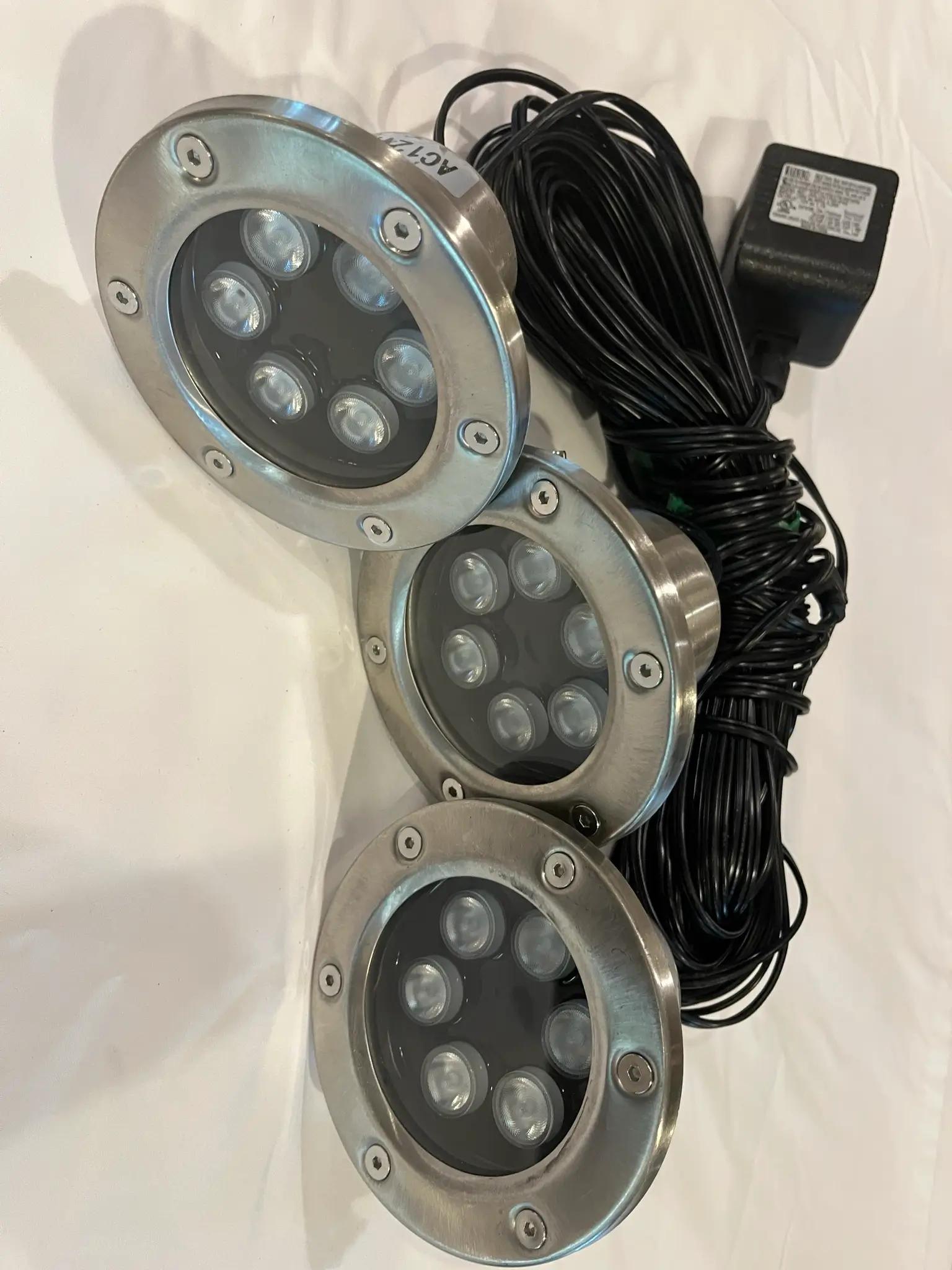
Each fixture contains red, green, and blue LED chips housed in a sealed, waterproof casing. By mixing these three colors at different intensities, the light can produce a wide range of shades, from deep blue to warm amber and bright purple. Most multi-color LED fountain lights include a controller or remote that lets users select a fixed color, cycle through a sequence, or adjust brightness. Some systems also offer timers, so the display switches on at dusk and off at a set hour. Because LEDs generate very little heat, they can operate underwater for long periods without damaging the housing. Their efficiency also keeps electricity use low compared with older halogen bulbs.
Where These Lights Work Best
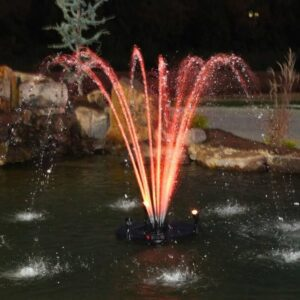
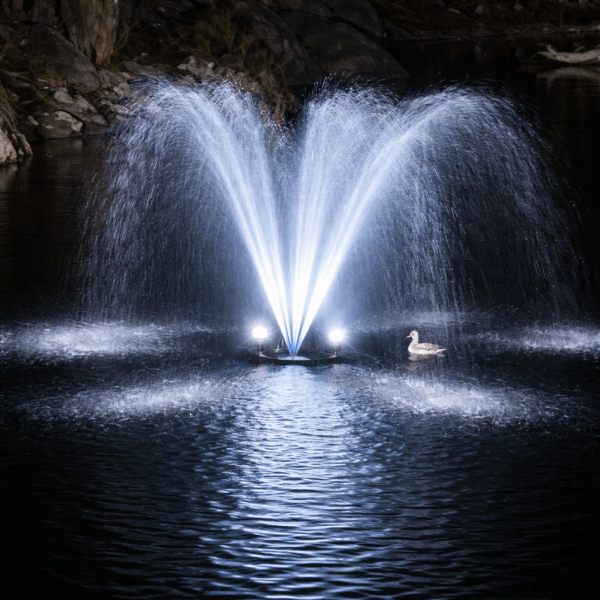
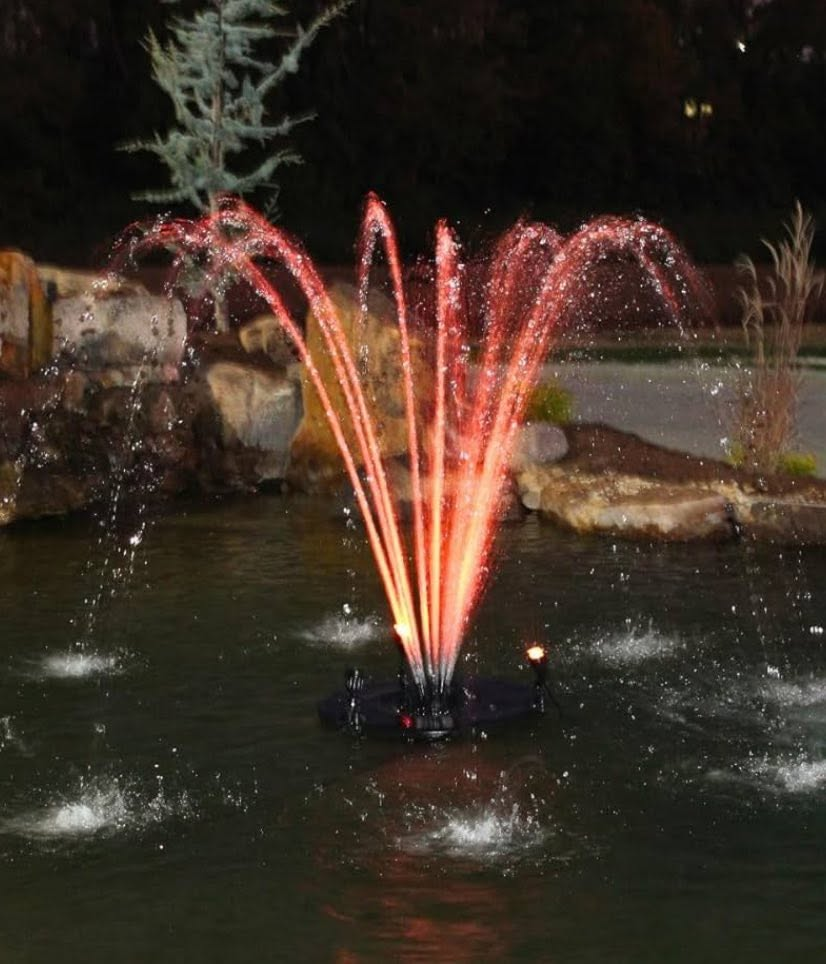
Lighting suits a surprising range of water features. Floating fountains in backyard ponds gain a dramatic glow when colored light shines through the spray. Tiered garden fountains, birdbaths, and decorative waterfalls also benefit, since the light reveals movement and texture that disappear in the dark. Larger properties, such as resorts, parks, and event venues, often use multi-color LED fountain lights to draw attention to entrances or gathering areas. The angle of placement changes the result: lights aimed upward through a spray create a glowing column, while fixtures set low along the basin produce a soft, even wash.
Choosing the Right Fixtures
Start with the size of the fountain and the amount of light it needs. Brightness is measured in lumens, and a small birdbath requires far less output than a large pond spray. Check the waterproof rating, since fixtures meant for submersion should carry an IP68 rating. Voltage is another key detail, because low-voltage 12-volt systems are generally safer around water than mains-powered alternatives. When comparing multi-color LED fountain lights, look at cable length, the range of the remote control, available color modes, and the number of fixtures included. Housing material matters as well, since durable plastic or stainless steel resists corrosion from minerals, algae, and treated water.
Installation, Safety, and Upkeep
Installation is simple when done carefully. Position the fixtures so the light reaches the spray without shining into neighboring windows, and secure cables so they cannot snag on moving parts. Always connect the power supply to an outlet protected by a ground-fault circuit interrupter, and keep transformers away from standing water. Anyone installing multi-color LED fountain lights in a pond should also consider fish and wildlife, since constant bright flashing can stress aquatic life, so softer, slower transitions are preferable. For upkeep, wipe algae and mineral deposits from the lenses every few weeks, because buildup dims the output. Inspect seals and cables each season, and remove fixtures before freezing weather if the manufacturer advises it.
Conclusion
Lighting transforms a fountain from a daytime feature into an evening attraction, and the right fixtures make that change easy and dependable. Think about fountain size, power source, and control options before buying, and plan the electrical connection with safety in mind. Readers who want a trusted starting point can look at product ranges from Friendly Fountains, which makes it simpler to compare lighting options designed for floating and decorative water features. Regular cleaning and seasonal checks keep the glow bright and consistent. With careful planning and thoughtful color choices, multi-color LED fountain lights can add beauty, atmosphere, and extra visibility around the water for many years.

Write a comment ...