
Achieving a stable and visually pleasing water spray depends heavily on the quality of the components used within a fountain system. Among these components, nozzle selection plays a critical role in regulating flow, pressure, and spray consistency. A brass nozzle is widely recognized for its ability to maintain uniform spray patterns under varying operating conditions. Its physical properties, manufacturing precision, and resistance to environmental stress make it a dependable choice for both decorative and functional water features. Understanding how material composition and design influence spray performance helps system planners and maintenance professionals make informed decisions that support long-term efficiency and visual consistency.
Material Properties That Support Spray Consistency
Brass is an alloy primarily composed of copper and zinc, offering a balance of strength and machinability. This combination allows manufacturers to produce components with precise internal geometries that support steady water flow. Within fountain systems, the controlled flow pathways inside a brass nozzle reduce turbulence that can disrupt spray patterns. Because brass does not easily warp under pressure or temperature fluctuations, the nozzle retains its shape even during continuous operation. This dimensional stability ensures that the spray remains predictable and uniform, regardless of seasonal or operational changes.
Precision Manufacturing and Flow Control
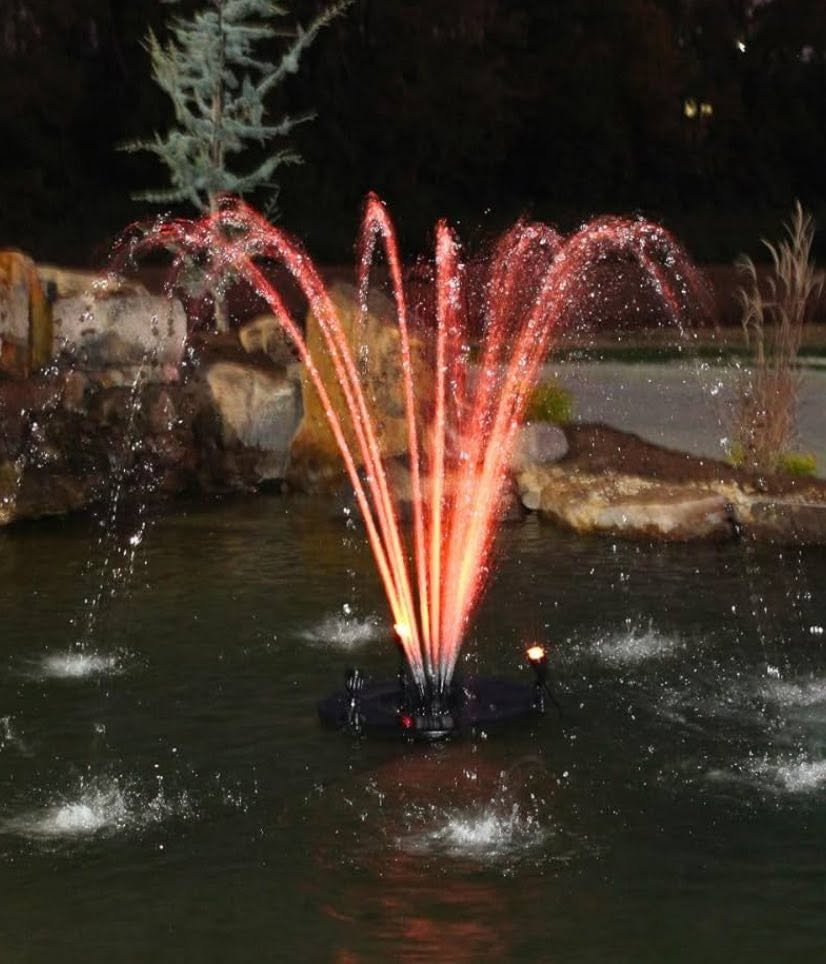
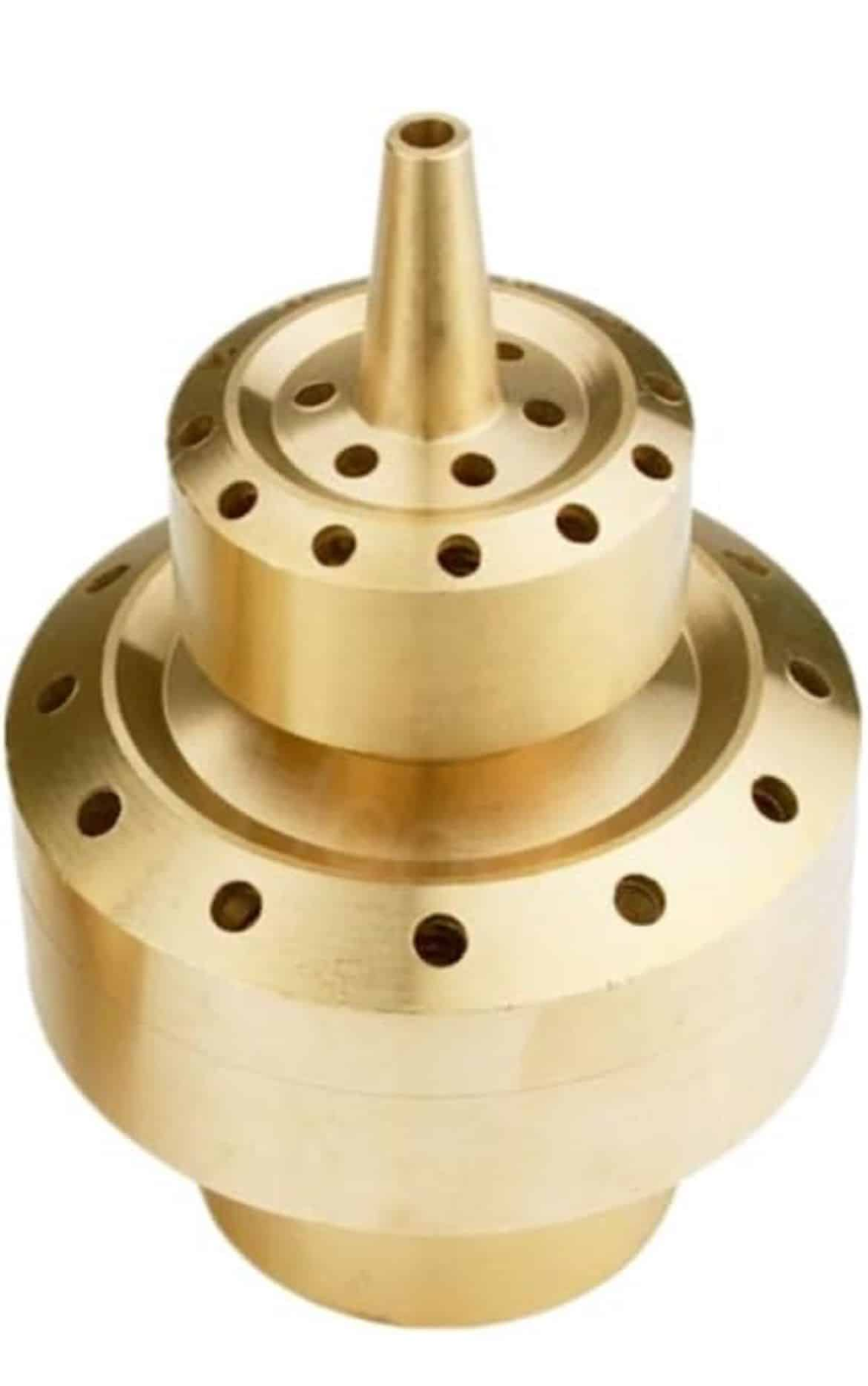
Consistent spray performance depends on tight manufacturing tolerances. Brass is well suited for precision machining, allowing small orifices and channels to be formed accurately. When water passes through these carefully shaped pathways, flow remains evenly distributed. In practical applications, a brass nozzle supports smooth laminar flow, reducing splashing or uneven dispersion. This level of control is especially important in decorative fountains, where visual symmetry and repeatability are essential. Over time, the precision of brass components helps maintain original performance without frequent recalibration.
Resistance to Corrosion and Mineral Buildup
Outdoor water features are often exposed to moisture, minerals, and varying water quality. Brass naturally resists corrosion, particularly when compared to ferrous metals that can rust and degrade. This resistance protects the internal surfaces that govern spray formation. A brass nozzle is less likely to develop pitting or scale buildup that could obstruct water pathways. By maintaining clean internal channels, the nozzle continues to deliver consistent spray pressure and pattern. Reduced corrosion also lowers maintenance requirements and extends the usable life of the component.
Performance Under Varying Pressure Conditions
Water pressure can fluctuate due to pump performance, system demand, or environmental factors. Components that cannot adapt to these changes may produce inconsistent spray patterns. Brass offers sufficient structural integrity to withstand pressure variations without deforming. As a result, a brass nozzle maintains stable output even when flow rates change slightly. This reliability is valuable in systems where multiple nozzles operate simultaneously, ensuring that each produces a similar visual effect without noticeable imbalance.
Compatibility With Fountain System Designs
Modern fountain systems often integrate multiple components, including pumps, pipes, and mounting hardware. Brass is compatible with a wide range of fittings and thread standards, simplifying installation and replacement. The adaptability of a brass nozzle allows it to be used across different system layouts without compromising performance. Its weight and rigidity also help it remain securely positioned, preventing misalignment that could alter spray direction or coverage. This compatibility supports consistent results across both new installations and system upgrades.
Conclusion
Consistent spray performance is the result of material strength, precise design, and resistance to environmental stress. Brass combines these qualities into a single solution that supports reliable water flow and visual stability. When integrated correctly, this nozzle contributes to efficient system operation and long-lasting performance across a range of applications. Its compatibility with structural elements and support components ensures dependable results, particularly when aligned with a stable installation platform such as an outdoor fountain base, which further enhances overall system balance and durability. This structural support helps minimize vibration, maintain accurate nozzle positioning, and preserve uniform spray performance over extended operational periods.

Write a comment ...