
Outdoor ponds and fountains elevate landscape design and provide a soothing ambiance for homeowners and visitors. Installing water fountain lights can transform the visual character of a water feature, creating focal highlights and improving visibility after dark. Thoughtful illumination enhances reflections, accentuates spray patterns, and makes outdoor spaces more inviting for pleasant evening gatherings and quiet relaxation. In addition to aesthetic benefits, properly designed lighting helps reduce safety risks by revealing edges and walkways that might otherwise be obscured during low-light conditions. Selecting durable fixtures and planning placement carefully ensures lighting complements the pond without overpowering natural elements.
Enhancing Visual Appeal and Nighttime Ambiance
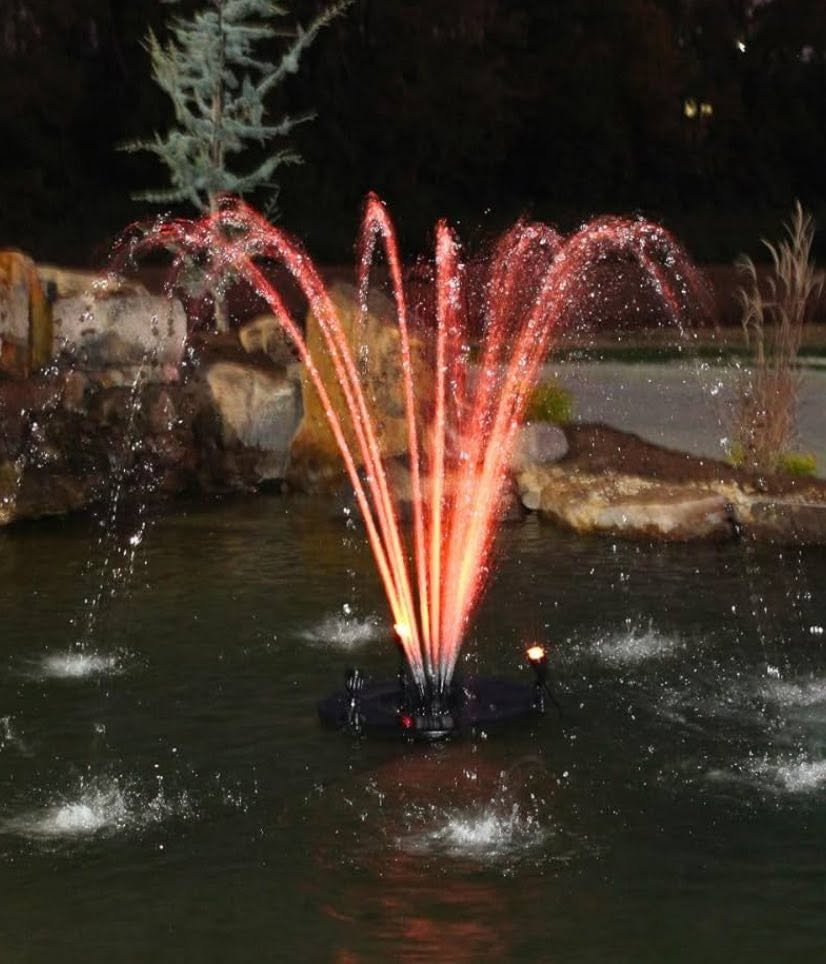
A pond's appearance after sunset depends largely on how it is illuminated rather than the feature itself. A single run of water fountain lights positioned to highlight spray and surface texture can create dramatic reflections and perceived depth. Careful choices of beam angle, color temperature, and fixture placement let homeowners evoke warm, calm moods or vibrant accent lighting for social events. Well-designed lighting integrates seamlessly with plantings and hardscapes to create cohesive visual scenes, drawing attention to seating areas and pathways that extend outdoor living after dark. When combined with subtle garden lighting, the effect becomes layered and invites evening exploration of paths and seating areas.
Improving Outdoor Safety
Visibility around water features is a practical concern for every property with a pond or fountain. Installing water fountain lights near edges and pathways helps reveal steps, slippery areas, and obstacles that could cause trips or falls in low light. Combining these fixtures with pathway and ambient lighting produces layered illumination that supports safe navigation without overwhelming the landscape aesthetic. This approach balances safety and style, encouraging evening use while reducing accidental risks for family members and guests. Regularly reviewing light placement as plants grow ensures that visibility remains clear and safety features continue to function effectively.
Highlighting Architectural Features and Landscaping
Lighting provides an opportunity to accentuate stonework, sculptures, and vegetation that frame a water feature. Placing water fountain lights to backlight waterfalls or silhouette rocks enhances contrast and draws attention to key landscape elements after dark. Design professionals often coordinate underwater and uplight fixtures to maintain balanced brightness and prevent glare that could detract from the scene. With intentional placement, lighting extends the visual impact of architectural details and creates focal points across the property. Lighting plans that respect plant growth cycles and sightlines help preserve natural rhythms while enhancing nighttime aesthetics.
Energy Efficiency and Durability Considerations
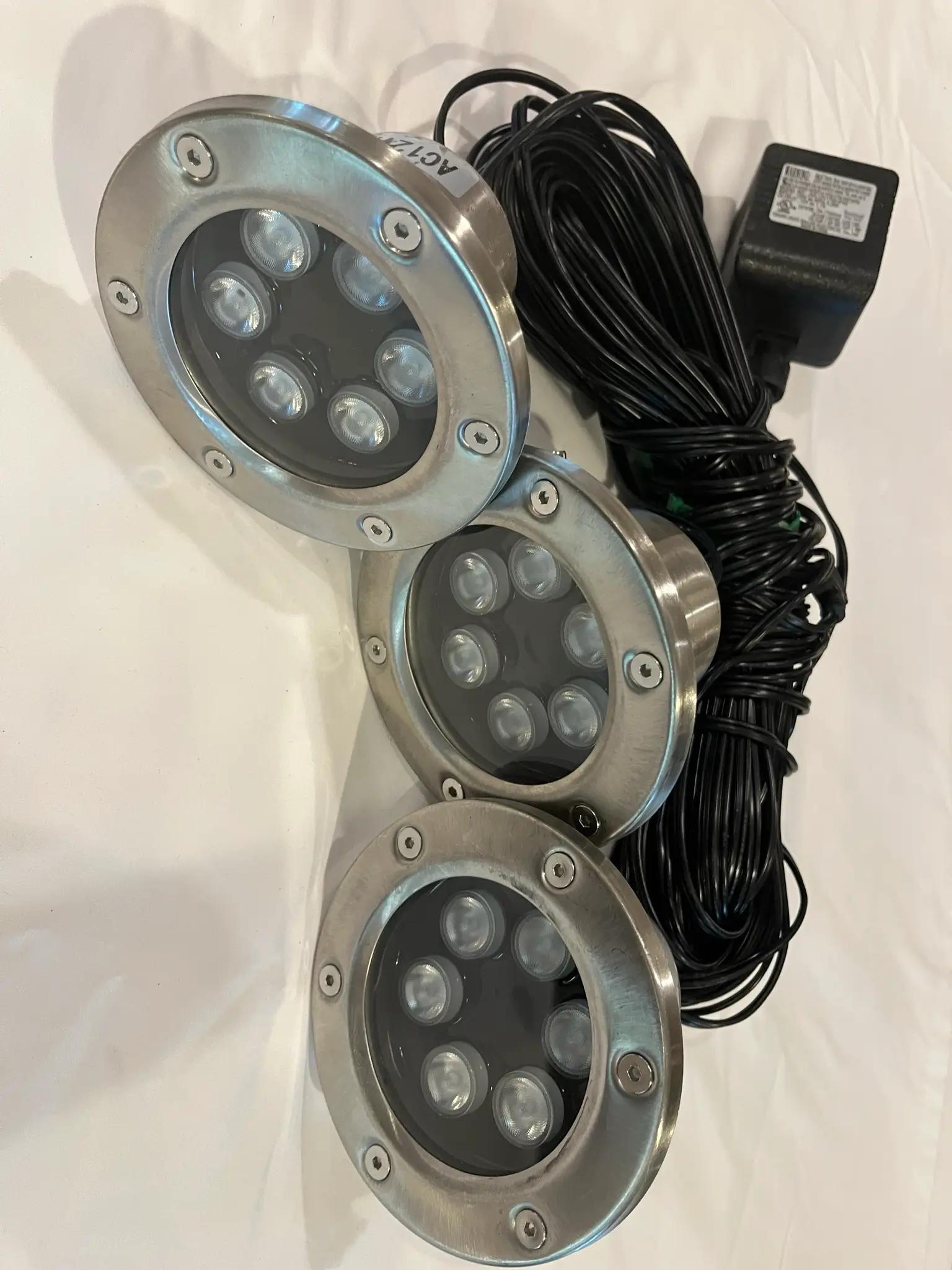
Long-term operation and exposure to moisture raise practical concerns for any outdoor lighting scheme. Selecting LED-rated fountain lights ensures low energy consumption and consistent illumination with minimal power draw. Choose fixtures with appropriate IP ratings, corrosion-resistant housings, and sealed connections to withstand water exposure and seasonal changes. Energy-efficient choices reduce operating costs and lower the need for frequent replacements while maintaining reliable nighttime performance. Additionally, pairing efficient fixtures with smart timers or controllers optimizes runtime and further reduces electricity costs over seasons.
Maintenance and Installation Tips
Proper installation and periodic maintenance preserve both performance and safety for pond lighting systems. Position water fountain lights to minimize direct spray contact, secure cables with rated connectors, and use GFCI protection on circuits for safe operation. Routine cleaning prevents mineral buildup that can dim output, and seasonal checks verify seals and fixture stability to avoid failures. Following manufacturer instructions and local electrical codes helps ensure that lighting remains effective and safe over the years of service. Keeping a small maintenance log helps track cleaning schedules and any parts replaced, which simplifies long-term care.
Conclusion
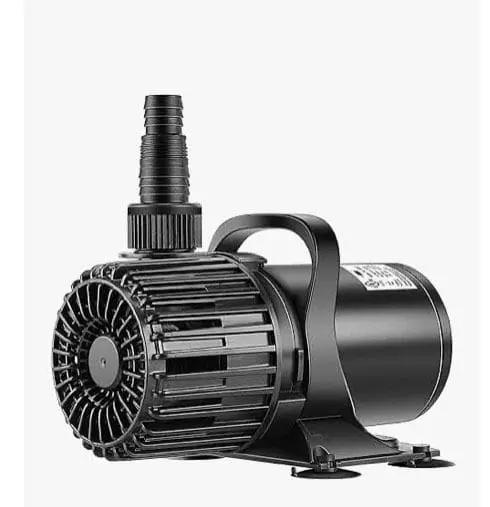
Combining thoughtful illumination with reliable water movement creates a pond that is both beautiful and functional for night use. A well-chosen 3/4 HP pond pump complements lighting by maintaining circulation that supports clarity, prevents debris buildup, and enhances display dynamics. Together, proper pumping and lighting transform a water feature into a safe, attractive focal point that homeowners can enjoy after dusk.

Write a comment ...