
Pond owners today are increasingly focused on balancing performance with energy efficiency, especially as electricity costs continue to rise. A well-functioning pump is essential for maintaining water circulation, filtration, and overall pond health, but it must also operate economically over long periods. This is where understanding the energy profile of a 3000 gph pond pump becomes important, as it helps users make informed decisions about usage and long-term expenses. With advancements in pump technology, modern systems are designed to deliver consistent output while minimizing power consumption, making them ideal for both residential and commercial pond setups.
Understanding Power Consumption Basics
Energy consumption in a 3000 gph pond pump is typically measured in watts, indicating how much electricity the pump uses during operation. Since most pond pumps run continuously, even small differences in wattage can significantly impact monthly electricity bills.
For example, a pump running at 100 watts for 24 hours a day will consume far more energy over time compared to a more efficient model operating at lower wattage. Understanding these basics allows pond owners to evaluate cost-effectiveness more accurately.
Factors That Influence Energy Usage
Several factors affect the energy consumption of a 3000 gph pond pump. These include pump design, motor efficiency, head height, and the overall setup of the pond system.
Higher head heights require the pump to work harder, increasing energy usage. Similarly, clogged filters or poor maintenance can force the pump to consume more power. Ensuring optimal conditions helps maintain efficiency and reduces unnecessary energy expenditure.
Comparing Traditional And Energy-Efficient Models
Traditional pumps often consume more electricity due to less efficient motor designs. In contrast, modern 3000 gph pond pump models are engineered with energy-saving technologies that reduce power usage without compromising performance.
Brands like Friendly Fountains focus on developing pumps that balance high flow rates with low energy consumption. These advanced models provide long-term savings while maintaining effective water circulation.
Continuous Operation And Cost Implications
A 3000 gph pond pump is typically designed for continuous operation, which makes energy efficiency even more critical. Running a pump 24/7 can lead to substantial electricity costs if the unit is not optimized for low power consumption.
Calculating daily, monthly, and yearly energy usage helps pond owners understand the financial impact and choose models that align with their budget and efficiency goals.
Role Of Smart Technology In Energy Savings
Modern advancements have introduced smart features that improve the efficiency of a 3000 gph pond pump. Variable speed controls allow users to adjust flow rates based on specific needs, reducing unnecessary energy usage.
Automatic shut-off features and timers further enhance efficiency by preventing the pump from running when not required. These technologies contribute to both cost savings and environmental sustainability.
Importance Of Proper Installation
Proper installation plays a significant role in the energy efficiency of a 3000 gph pond pump. Incorrect placement or poorly designed plumbing can increase resistance, forcing the pump to work harder.
Ensuring smooth water flow, minimizing bends in pipes, and positioning the pump correctly can significantly reduce energy consumption. A well-installed system operates more efficiently and extends the lifespan of the equipment.
Maintenance And Its Impact On Efficiency
Regular maintenance is essential for keeping a 3000 gph pond pump running efficiently. Debris buildup, clogged filters, and worn components can increase energy consumption.
Cleaning and inspecting the pump regularly ensures optimal performance and prevents unnecessary strain on the motor. This not only reduces energy usage but also minimizes the risk of breakdowns.
Conclusion
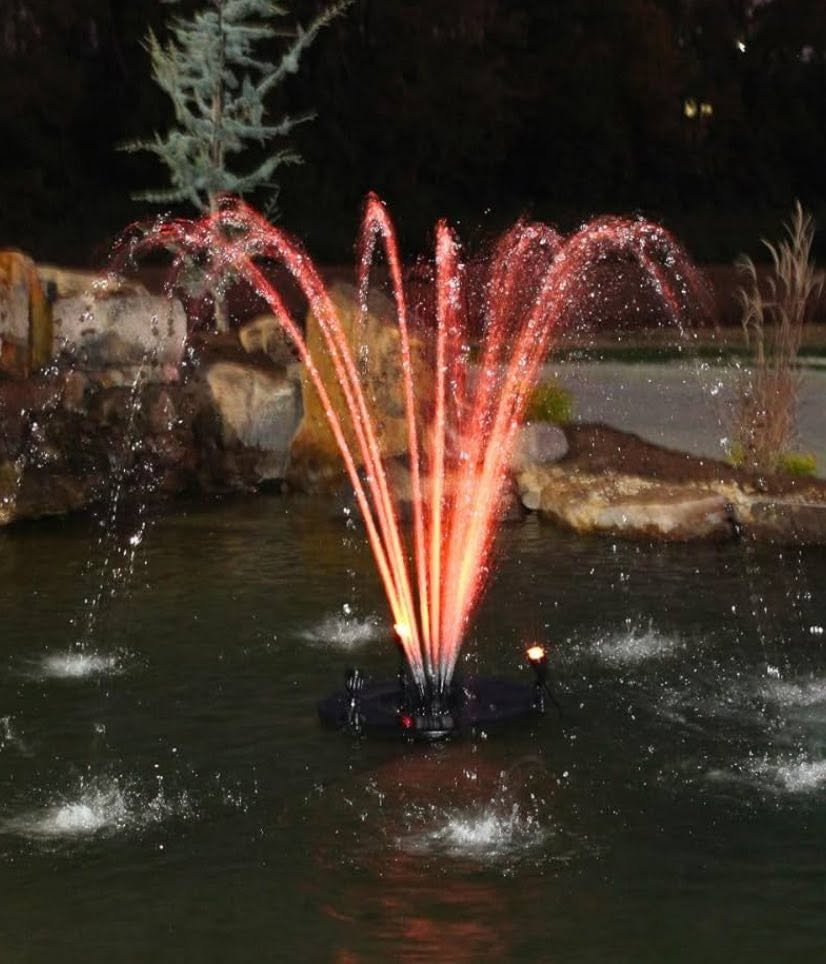
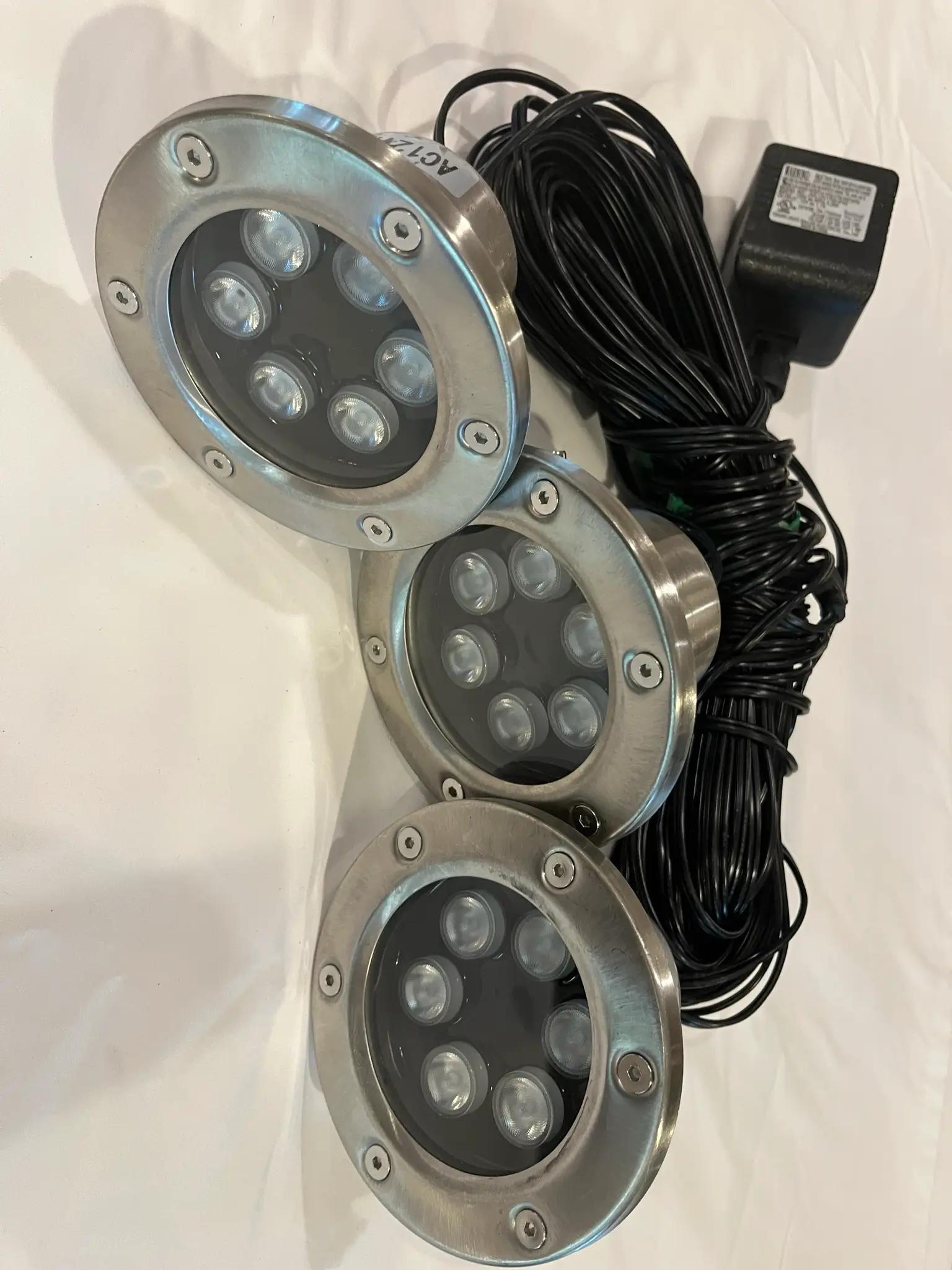
Understanding the energy consumption of a 3000 gph pond pump is essential for optimizing performance and managing operational costs effectively. By focusing on factors such as efficiency, installation, and maintenance, users can significantly reduce energy usage while maintaining a healthy pond environment. Incorporating features like outdoor fountain lighting further enhances the overall aesthetic and functionality of the pond, creating a visually appealing and energy-conscious outdoor space.
Write a comment ...